


ENERGY AND HEAT TRANSFER ENGINEERING Standards: May 2025 Monthly Overview (Part 1)
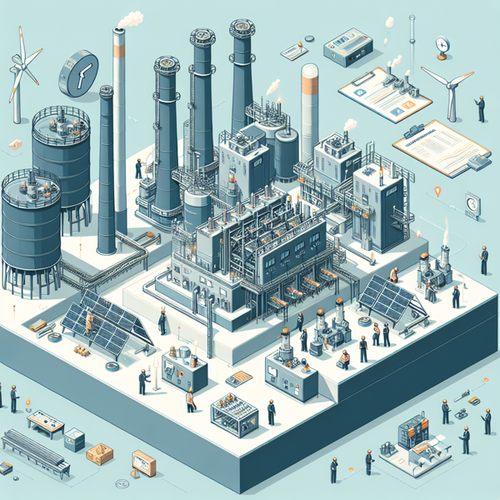
Looking back at May 2025, the Energy and Heat Transfer Engineering sector witnessed a significant set of standards publications, spanning innovations in wind energy, fuel cell systems, and refrigerant recovery. With five influential standards released this month (part one of a two-part analysis), professionals in engineering, compliance, and R&D are presented with important shifts in technical requirements and industry priorities. This comprehensive overview helps you catch up on these developments, understand underlying themes, and prepare your organization for current and future compliance.
Monthly Overview: May 2025
May 2025 represented a particularly dynamic period for standardization in Energy and Heat Transfer Engineering (under ICS 27). This month’s releases reflected the ongoing evolution of clean energy technologies, the integration of smart systems into traditional sectors, and a renewed focus on both efficiency and safety.
Mutually reinforcing trends were evident: wind energy standards advanced toward larger turbines and offshore resilience; fuel cell technologies expanded their scope into mobile and decentralized power; and the safe management of refrigerants remained in the spotlight amid environmental regulations. Compared to prior months, May 2025 showed a heavier emphasis on not just the generation of energy but also on how energy is tested, managed, and recovered, aligning with the global drive for decarbonization and operational reliability.
For professionals in the Energy and Heat Transfer Engineering domain, these standards collectively reveal a maturation of both technology and oversight—a signal that organizations need to redouble their attention on technical accuracy, lifecycle management, and interoperability.
Standards Published This Month
EN IEC 61400-4:2025 - Design Requirements for Wind Turbine Gearboxes
Wind energy generation systems – Part 4: Design requirements for wind turbine gearboxes
EN IEC 61400-4:2025 establishes comprehensive requirements for the design and verification of enclosed speed-increasing gearboxes used in horizontal axis wind turbine drivetrains over 500 kW. The scope includes new gearboxes for both onshore and offshore installations and is directed at original equipment manufacturers, owners, and design consultants. Crucially, this second edition expands the scope to turbines above 2 MW, recognizing ongoing industry upscaling.
This standard aligns gearbox design lives with anticipated turbine operating lifespans and integrates detailed guidance on analysis, rating, and reliability of gear and bearing elements. Noteworthy is the harmonization of design approaches with related drivetrain standards, ensuring consistency across the wind power sector. The revised edition introduces:
- Specific load analysis for drivetrains
- Expanded validation, verification, and reliability requirements
- Updated clauses for plain and rolling bearings, structure, lubrication, and materials
It’s vital for supply chain organizations, wind farm developers, and maintenance teams to note the new documentation practices (now referencing IECRE OD‑501‑2 for compliance), and to review the technical reports linked in this series for further guidance on lubrication and explanatory notes.
Key highlights:
- Applies to newly designed gearboxes for turbines >500 kW (now includes >2 MW)
- Harmonizes gear, bearing, and wind turbine reliability methodologies
- Introduces new and revised requirements for validation, lubrication, and structural elements
Access the full standard:View EN IEC 61400-4:2025 on iTeh Standards
EN IEC 62282-6-401:2025 - Micro Fuel Cell Power Systems – Performance Testing for Laptops
Fuel cell technologies – Part 6-401: Micro fuel cell power systems – Power and data interchangeability – Performance test methods for laptop computer
This newly published standard addresses performance test methods for micro fuel cell/battery hybrid systems configured for laptop computers. As fuel cell technology reaches new levels of miniaturization and commercial feasibility, this document brings much-needed clarity to testing requirements, notably for:
- Electrical performance (power output, battery charging, efficiency)
- Power/data interoperability between fuel cell packs and standard laptop operating modes
- Safety considerations during integration and operation
The standard accommodates a variety of fuel types (gaseous hydrogen, liquid hydrogen compounds, methanol), emphasizing flexibility for manufacturers and system integrators. Organizations pursuing R&D or procurement in portable power, IT hardware, or consumer electronics will find its methodologies essential for specifying, testing, and certifying alternate energy laptop solutions.
Key highlights:
- Details methods for power and data testing of micro fuel cell–battery hybrids
- Covers safety, interface requirements, and performance reporting
- Supports multiple fuels and hybridization strategies
Access the full standard:View EN IEC 62282-6-401:2025 on iTeh Standards
EN IEC 60335-2-104:2025 - Safety Requirements for Refrigerant Recovery Appliances
Household and similar electrical appliances – Safety – Part 2-104: Particular requirements for appliances to recover and/or recycle refrigerant from air conditioning and refrigeration equipment
EN IEC 60335-2-104:2025 continues the drive for safer, more environmentally responsible handling of refrigerants in the HVAC-R sector. The standard revises and builds upon its predecessor (first published in 2003), addressing updated safety, construction, and performance testing for equipment used to recover and/or recycle refrigerants from air conditioning and refrigeration units (both household and commercial).
The revision refines numerous technical clauses to better reflect today’s equipment design and user needs. It modifies markings, test procedures, pressure requirements, compatibility checking, and even user documentation. Compared to earlier editions, there is increased emphasis on operator safety, mechanical reliability, and the prevention of refrigerant emissions during appliance handling and maintenance—a critical focus area given evolving F-gas regulations.
Stakeholders such as HVAC-R manufacturers, service organizations, and facility managers are the primary target audiences, along with those involved in equipment testing and certification.
Key highlights:
- Updated requirements for the safety of refrigerant recovery and recycling devices
- Enhanced testing for pressure integrity, mechanical hazards, and component quality
- Extensive updates to documentation, labeling, and user instructions
Access the full standard:View EN IEC 60335-2-104:2025 on iTeh Standards
EN IEC 62282-3-202:2025 - Performance Test Methods for Small Stationary Fuel Cell Power Systems (Multi-Unit Operation)
Fuel cell technologies – Part 3-202: Stationary fuel cell power systems – Performance test methods for small fuel cell power systems for multiple units operation
With decentralized, modular energy gaining traction, EN IEC 62282-3-202:2025 offers specialized test procedures for networks of small stationary fuel cell power systems operating simultaneously. Applicable to systems with individual outputs below 10 kW, the standard addresses:
- Electrical and thermal performance under shared operation (networking/energy management)
- Scenarios involving supplementary heat or thermal storage
- Testing for multiple operating modes (stand-alone, grid-connected, AC/DC outputs)
This standard helps harmonize assessment of distributed fuel cell arrays—critical for residential/commercial microgrids and backup power. Coverage includes step-by-step methodologies for efficiency, ramp response, heat recovery, and even thermal storage interactions, helping R&D labs, manufacturers, and installation contractors ensure robust and comparable results.
From sustainability managers to procurement teams focused on next-generation CHP (combined heat and power) solutions, the standard delivers foundational guidance for qualifying fuel cell-based energy networks.
Key highlights:
- Test methods for performance of small, networked stationary fuel cell power systems
- Addresses diverse fuels, grid or stand-alone modes, and supplementary heating
- Integral for multi-unit, modular, or community-based energy deployment
Access the full standard:View EN IEC 62282-3-202:2025 on iTeh Standards
IEC TS 61400-50-4:2025 - Floating Lidar Wind Measurement for Wind Energy Applications
Wind energy generation systems – Part 50-4: Use of floating lidar systems for wind measurements
Recognizing the surging role of offshore wind, IEC TS 61400-50-4:2025 formalizes best practices for wind measurement using floating lidar systems, typically mounted on buoys. Its primary objective is to ensure wind measurements are collected and reported with consistency, accuracy, and transparency—an essential foundation for resource assessment, site verification, and performance testing for offshore wind projects.
The technical specification is technology-agnostic, supporting any floating lidar devices and measurement principles. Detailed requirements and procedures are included for:
- Calibration (onshore/offshore)
- Data quality assurance
- Reporting and documentation
- Uncertainty budgeting and environmental effects
Wind energy developers, measurement campaign operators, and consultants will find this standard crucial for reliable, bankable wind data and for streamlining acceptance by regulators and finance partners.
Key highlights:
- Procedures for consistent, accurate, and comparable floating wind lidar measurements
- Comprehensive calibration and acceptance methodologies
- Critical support for bankable wind resource data in offshore wind projects
Access the full standard:View IEC TS 61400-50-4:2025 on iTeh Standards
Common Themes and Industry Trends
A review of May 2025’s Energy and Heat Transfer Engineering standards reveals several converging themes:
- Scalability and Decentralization: Both wind and fuel cell standards now address systems that range from modular (micro fuel cells for laptops) to large-scale (multi-megawatt wind gearboxes, distributed small stationary fuel cell arrays).
- Integration with Digital and Energy Management Systems: Test methods and design requirements increasingly reference interoperability, data interchange, and networked operation—reflecting shifting energy landscapes where devices communicate and self-manage.
- Quality and Bankability of Data: Floating lidar and performance testing standards underscore the industry’s need for data consistency, calibration, and transparency, especially as financial and regulatory scrutiny intensifies in renewable projects.
- Safety, Reliability, and Long-Term Performance: Updates to refrigerant recovery equipment and drivetrain reliability requirements address both technical challenges and regulatory mandates for safe, durable, and environmentally responsible solutions.
- Support for New Fuels and Hybridization: The standards demonstrate readiness for hydrogen, methanol, and hybrid energy systems—crucial for decarbonization and flexibility in energy supply.
These patterns reflect how global decarbonization and digitalization efforts are shaping the technical, operational, and compliance environment for energy professionals.
Compliance and Implementation Considerations
With the release of these comprehensive standards, organizations should prioritize:
- Gap Assessment: Review current products and procedures against the new or revised requirements, especially where older editions or informal practices have prevailed.
- Project Lifecycle Alignment: For new wind projects, specification and procurement should reference updated wind turbine gearbox and measurement requirements; fuel cell integration projects should plan for new test and reporting obligations.
- Interoperability and Data Management: Integrate processes for capturing, validating, and reporting energy generation and measurement data in line with calibration and uncertainty protocols.
- Training and Documentation: Update internal manuals, test procedures, and staff training to reflect changes in safety, reliability, and user information.
- Timeline for Compliance: Early adoption will not only reduce compliance risks but will also strengthen bids in procurements and project finance. Monitor transition timelines (e.g., phase-out dates for older standards, as specified in each).
Resources to get started:
- Engage with iTeh Standards’ catalog for easy access and updates
- Coordinate with technical committees to clarify interpretations
- Join industry working groups to learn from early adopters and exchange best practices
Conclusion: Key Takeaways from May 2025
Looking back, the standards published in May 2025 reflect an industry at the crossroads of innovation, scale, and rigorous scrutiny. From advancing the reliability and bankability of wind energy to integrating versatile, high-performance fuel cell ecosystems and upholding robust safety practices in refrigerant handling, this set of standards marks a pivot toward smarter, safer, and more sustainable energy operations.
Energy and Heat Transfer Engineering professionals should:
- Prioritize review and integration of these standards in new projects, product lines, and operational policies
- Leverage new testing and documentation methodologies to future-proof systems
- Stay engaged with ongoing standardization efforts, as the regulatory and technological environment will continue to evolve rapidly
Keeping pace with these developments ensures compliance, market competitiveness, and sustainability leadership. For detailed requirements, commentary, and to purchase full-text standards, visit iTeh Standards.
This overview is Part 1 of a comprehensive two-part analysis. For further updates and coverage of standards published in May 2025 for Energy and Heat Transfer Engineering, continue following this series on iTeh Standards.
Categories
- Latest News
- New Arrivals
- Generalities
- Services and Management
- Natural Sciences
- Health Care
- Environment
- Metrology and Measurement
- Testing
- Mechanical Systems
- Fluid Systems
- Manufacturing
- Energy and Heat
- Electrical Engineering
- Electronics
- Telecommunications
- Information Technology
- Image Technology
- Precision Mechanics
- Road Vehicles
- Railway Engineering
- Shipbuilding
- Aircraft and Space
- Materials Handling
- Packaging
- Textile and Leather
- Clothing
- Agriculture
- Food technology
- Chemical Technology
- Mining and Minerals
- Petroleum
- Metallurgy
- Wood technology
- Glass and Ceramics
- Rubber and Plastics
- Paper Technology
- Paint Industries
- Construction
- Civil Engineering
- Military Engineering
- Entertainment