


April 2026 Brings Updated Water Treatment Chemical Standard for Calcium Carbonate
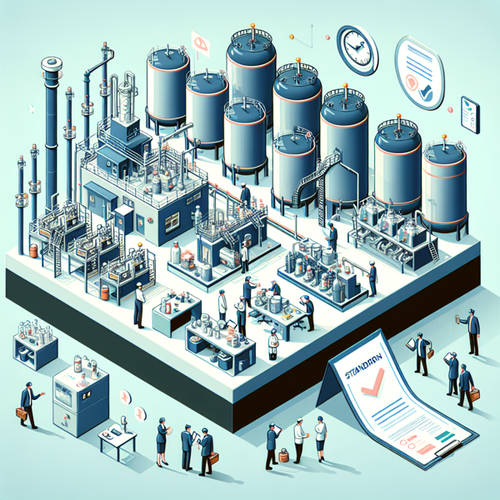
April 2026 marks a significant update in the chemical technology sector with the publication of EN 1018:2026, a revised standard focused on using calcium carbonate for the treatment of water intended for human consumption. This essential update enhances safety, quality, and regulatory clarity for water utilities and suppliers across Europe. For professionals involved in water treatment, this single but significant standard revision delivers vital new specifications and compliance requirements that shape industry practice in the coming years.
Overview
As water treatment technologies continually evolve, adherence to precise, internationally recognized standards remains crucial for public health and operational excellence. The chemical technology sector plays an instrumental role in ensuring that water treatment chemicals, such as calcium carbonate, meet stringent purity and safety requirements for human consumption.
The newly revised EN 1018:2026 standard, published in April 2026, provides updated guidelines on the characteristics, testing, labelling, transportation, and storage of calcium carbonate used in drinking water treatment. This article reviews the key changes and practical implications, guiding industry professionals—including plant managers, compliance officers, engineers, and procurement specialists—through what’s new and how to ensure continued compliance.
By reading on, you'll gain clarity on:
- The scope and requirements of EN 1018:2026
- Key updates from the previous edition
- Compliance strategies and industry impact
- Best practices for implementing the new standard
Detailed Standards Coverage
EN 1018:2026 - Calcium Carbonate for Water Treatment
Chemicals used for treatment of water intended for human consumption – Calcium carbonate
EN 1018:2026 specifies the necessary characteristics, purity requirements, test methods, and labelling protocols for calcium carbonate as used in treating water intended for human consumption. This standard is critical for ensuring that only compliant and safe products enter the water supply chain.
Scope and Application
The standard applies to both non-porous and porous forms of calcium carbonate utilized by water utilities, municipal suppliers, and any organization treating potable water. It details:
- Identification and description of suitable calcium carbonate
- Commercial forms and acceptable physical/chemical properties
- Minimum purity thresholds, with specific limits on impurities and by-products
- Required test methods to verify conformity
- Labelling, transportation, storage, and marking requirements aligned with EU regulations
Key Requirements and Specifications
The revised 2026 edition incorporates several notable changes:
- Stricter impurity limits: Updated tables (1 and 2) clarify acceptable levels of impurities in porous calcium carbonate, enhancing safety.
- Enhanced transportation and labelling: New requirements demand users be aware of incompatibilities between different chemicals in transport and ensure proper documentation and marking.
- Test method protocols: Comprehensive guidelines for sampling, analyses, and testing of physical and chemical characteristics.
- Storage and handling: Clear protocols for safe handling, storage, and emergency procedures to minimize contamination risk.
Stakeholders and Compliance
Who must comply?
- Water supply authorities
- Contractors and service providers in water treatment
- Chemical manufacturers and suppliers
- Quality assurance and compliance teams
Proactive adoption ensures not only regulatory compliance but also consumer trust and operational reliability.
Key highlights:
- New impurity and by-product limits for increased safety, especially for porous calcium carbonate
- Updated rules for transportation and explicit marking in shipping documentation
- Improved guidance on test methods, labelling, and storage
Access the full standard:View EN 1018:2026 on iTeh Standards
Industry Impact & Compliance
Updating to EN 1018:2026 impacts all organizations sourcing, handling, or using calcium carbonate in potable water treatment. Key implications include:
- Regulatory alignment: Organizations operating in multiple EU and EFTA member states must adhere to harmonized requirements, reducing risk of cross-border discrepancies.
- Quality assurance: Adoption of the new impurity thresholds and testing protocols directly impacts product acceptance, reducing the risk of non-compliant materials entering the water supply.
- Operational readiness: Water utilities must update their procurement, acceptance testing, and storage protocols in line with the revised standard.
- Documentation and traceability: Enhanced marking and transportation rules demand improved record-keeping and staff training.
Adopting the new standard safeguards public health, protects brand reputation, and minimizes liability risks. Non-compliance can result in rejected shipments, regulatory fines, and potentially compromised drinking water safety.
Suggested actions for organizations:
- Review the full EN 1018:2026 text and align current procurement and operational procedures
- Retest existing calcium carbonate stocks for compatibility with new impurity criteria
- Train logistics and quality control teams on updated labelling and documentation
- Establish routine checks for transport incompatibilities per the new guidance
Technical Insights
Several technical requirements recur throughout EN 1018:2026, underscoring its focus on both chemical safety and practical usability:
- Sample integrity: Standardized sampling and analysis techniques to ensure consistent product qualification
- Physical and chemical properties testing: Specifications for particle size, specific surface area, and chemical purity
- Impurity controls: Clear tables for allowable quantities of major and trace impurities
- Labelling and marking: Must now include detailed, standardized product information suitable for international shipment
- Storage protocols: Emphasis on dry, contamination-free storage and periodic inspection
Implementation Best Practices:
- Incorporate updated impurity acceptance thresholds in quality management documentation
- Maintain robust supplier prequalification processes
- Update internal audit checklists to include revised marking and compatibility checks
- Collaborate with suppliers to ensure full traceability and compliance, not just at point-of-delivery but from shipping through storage
Testing & Certification:
- Use only accredited labs for compliance testing
- Archive test results and certification documents for regulatory review
Conclusion & Next Steps
The update of EN 1018:2026 is more than a routine revision—it’s a strategic enhancement of the water treatment sector’s safety and compliance landscape. Organizations across Europe should prioritize prompt review and adoption of its requirements, updating procurement, storage, shipment, and testing processes. Early action not only ensures legal compliance, but also demonstrates a commitment to quality and public health.
Recommended next steps:
- Download and study the full standard from iTeh Standards
- Audit your current practices against the new requirements
- Develop a phased plan for compliance, including training and documentation updates
- Stay connected with iTeh Standards for further updates and sector guidance
For full details and guidance, always refer to the complete version of EN 1018:2026.
Access the full standard:View EN 1018:2026 on iTeh Standards
Stay ahead in the field of chemical technology and water treatment—visit iTeh Standards for the latest standard updates and expert resources.
Categories
- Latest News
- New Arrivals
- Generalities
- Services and Management
- Natural Sciences
- Health Care
- Environment
- Metrology and Measurement
- Testing
- Mechanical Systems
- Fluid Systems
- Manufacturing
- Energy and Heat
- Electrical Engineering
- Electronics
- Telecommunications
- Information Technology
- Image Technology
- Precision Mechanics
- Road Vehicles
- Railway Engineering
- Shipbuilding
- Aircraft and Space
- Materials Handling
- Packaging
- Textile and Leather
- Clothing
- Agriculture
- Food technology
- Chemical Technology
- Mining and Minerals
- Petroleum
- Metallurgy
- Wood technology
- Glass and Ceramics
- Rubber and Plastics
- Paper Technology
- Paint Industries
- Construction
- Civil Engineering
- Military Engineering
- Entertainment