


Making Agriculture Accessible: Assistance Dog Standards for Universal Access
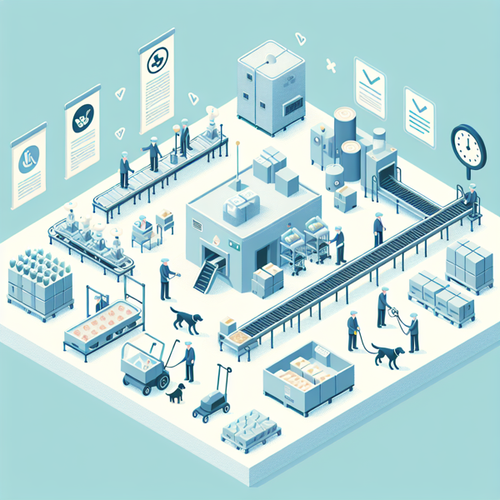
Providing inclusive access in the world of agriculture is vital to building resilient, diverse, and highly productive environments. As agri-businesses and agricultural venues evolve, the need to ensure universal accessibility—facilitated by efficient standards—has never been more important. One focused area is the seamless integration of assistance dog teams into all facets of public and private spaces. With international guidelines like SIST EN 17984-6:2025 shaping this landscape, organisations are empowered to foster participation, boost productivity, and cultivate safe, welcoming environments for all stakeholders. This article explores the critical role of accessibility standards for assistance dogs, why they matter in modern agricultural contexts, and how businesses can benefit from effective implementation.
Overview / Introduction
The agricultural industry stands at the intersection of tradition and innovation, deeply affecting daily life, food security, and rural development. With modern technology and evolving regulations, agriculture now recognizes inclusivity and accessibility as central to its operation. Assistance dogs have become essential partners for people with disabilities, making it crucial for farms, agricultural companies, food producers, and related service providers to understand and apply standards for accessibility and universal access.
Adopting recognized standards ensures equal participation, aligns with global norms, and delivers measurable benefits—higher productivity, greater staff and customer satisfaction, and compliance with both local legislation and international agreements like the United Nations Convention on the Rights of Persons with Disabilities. In this article, you'll learn how the latest standard—SIST EN 17984-6:2025: Assistance Dogs – Accessibility and Universal Access—defines the requirements for accessible environments, outlines key responsibilities, and guides agricultural businesses towards greater inclusion and success.
Detailed Standards Coverage
SIST EN 17984-6:2025 - Assistance Dogs: Accessibility and Universal Access
Full Standard Title: Assistance Dogs – Part 6: Accessibility and Universal Access
This European Standard sets out comprehensive requirements and recommendations to ensure public and private spaces—spanning both indoor and outdoor environments—are fully accessible for assistance dog teams. It directly supports the principles enshrined in the United Nations Convention on the Rights of Persons with Disabilities, guaranteeing the right of equal participation and access in all spheres of life. The standard is especially pertinent to agricultural enterprises, where public access, services, production facilities, and open land must consider the presence and support needs of people partnered with assistance dogs.
Scope and Coverage:
- Defines accessibility requirements for assistance dog teams in public and private built environments (offices, service areas, social, medical, and educational facilities, accommodation, public transport, parks, nature reserves, and more).
- Addresses both active assistance dog teams and those in training (including puppies being prepared for assistance roles).
- Applicable to all agricultural sectors where people, visitors, or staff could benefit from the presence and support of an assistance dog.
Key Requirements and Specifications:
- Barrier Removal: Identifies six primary types of barriers (institutional, physical, informational, communication, attitudinal, cultural/religious) that impede access for assistance dog users. Mandates steps to mitigate or remove these obstacles in agricultural and related facilities.
- Provision of Accessible Information: Requires the delivery of accurate, timely, and easily navigable information to assistance dog teams so they can confidently access facilities, services, and agricultural environments.
- Public and Private Space Guidance: Specifies that all spaces where the public is generally admitted—including agricultural show grounds, processing areas, farm shops, and community meeting spaces—must accommodate assistance dog teams.
- Responsibilities of Teams and Organizations: Details the responsibilities for both assistance dog handlers and agricultural organizations in making interactions positive, safe, and consistent with best practices.
- Implementation Support: Offers guidance for agricultural and agri-business management on introducing accessibility improvements, including leadership, information sharing, and ongoing assessment of accessibility measures.
- Best Practice Recommendations: Provides practical recommendations for staff communication, signage, emergency access, and safe navigation for dog teams within agricultural and agri-tourism areas.
Who Needs to Comply:
- Agricultural producers (large-scale and family farms)
- Agri-businesses (processing plants, cooperatives, food service chains)
- Facilities open to the public (farm shops, demonstration farms, farmers’ markets, agri-tourism venues)
- Representatives from agricultural industry associations, rural development agencies, and agricultural education providers
Practical Implications for Implementation:
Implementing SIST EN 17984-6:2025 helps organizations:
- Achieve compliance with European Union and national laws governing disability rights and accessibility
- Reduce the risk of exclusion or complaints from visitors, employees, or customers with disabilities
- Position their business as an inclusive, forward-thinking enterprise
- Foster stronger community engagement and social responsibility
Notable Features and Requirements:
- Extends beyond built environments to consider natural agricultural settings, such as parks and open fields
- Provides clear links to allied standards on built environment accessibility and assistance dog terminology
- Emphasizes leadership, ongoing evaluation, and visible commitment across the organization
Key highlights:
- Covers universal access and barrier removal for all agricultural and agri-business environments
- Integrates responsibilities for both assistance dog handlers and facility managers
- Supports implementation using best practices (signage, staff training, communication, and physical accommodations)
Access the full standard:View SIST EN 17984-6:2025 on iTeh Standards
Industry Impact & Compliance
In today's agricultural landscape, inclusion and universal access are more than regulatory obligations—they are catalysts for business improvement and competitive advantage. By complying with accessibility standards for assistance dog teams, agricultural organizations and service providers:
- Promote Diversity and Inclusion: Enable employees, customers, and visitors with disabilities to participate fully in agricultural activities, boosting talent retention and community engagement.
- Boost Productivity and Safety: Removing barriers ensures that people with disabilities and their support animals can contribute effectively to agricultural work and learning environments. This results in fewer workplace incidents and higher overall efficiency.
- Enhance Brand and Reputation: Businesses recognized for accessible practices are more attractive to customers, investors, and partners who value equity and social responsibility.
- Reduce Legal and Reputational Risk: Proactive implementation lowers the likelihood of legal challenges or negative publicity arising from non-compliance with the European Accessibility Act or national disability legislation.
Risks of Non-Compliance:
- Legal action under EU or national disability regulations
- Fines, operational disruption, and damage to reputation
- Negative social media and press coverage
- Loss of business opportunities and reduced market reach
By aligning with standards like SIST EN 17984-6:2025, organizations send a clear message: everyone is welcome, and every person's contribution is valued.
Implementation Guidance
Adopting accessibility standards need not be daunting. Here are best practices and steps agricultural businesses can take to implement SIST EN 17984-6:2025 efficiently and effectively:
1. Leadership Commitment
- Appoint an accessibility champion within your organization
- Integrate accessibility objectives into your overall business strategy
- Communicate your commitment to staff, visitors, and partners
2. Assessing Current Accessibility
- Conduct an accessibility audit of facilities and services, referencing the standard’s requirements
- Identify institutional, physical, informational, and attitudinal barriers
- Engage employees and community representatives for feedback
3. Training and Information
- Train all employees, especially frontline staff, on the needs of assistance dog teams and communication best practices
- Provide accessible information (signage, maps, websites, and instruction manuals) that guidance both people and assistance dogs can use
4. Facility Upgrades and Accommodations
- Implement best practice measures for accessibility in entrances, paths, service counters, and restrooms
- Ensure safe navigation for dogs, including tactile features and non-slip surfaces
- Mark access areas clearly and ensure open routes for movement around agricultural venues
5. Continuous Monitoring and Improvement
- Regularly review practices and update staff on new requirements
- Seek input from assistance dog users and disability advocacy groups
- Monitor compliance and document improvements for internal use or external review
Resources for Organizations
- European Committee for Standardization (CEN) and local standards bodies
- Disability advocacy organizations for agricultural sectors
- Training materials and audits templates referencing SIST EN 17984-6:2025
- Agricultural trade associations with inclusion and accessibility sections
Implementing these strategies leads to a seamless, productive, and compliant agricultural business that welcomes all participants.
Conclusion / Next Steps
Establishing universal accessibility for assistance dog teams is not just a legal requirement—it is a forward-thinking, value-driven strategy for the agricultural industry. By embracing SIST EN 17984-6:2025, organizations ensure that everyone—regardless of ability—can access, participate in, and contribute to the agricultural sector. This standard empowers businesses to:
- Enhance productivity through inclusive practices
- Strengthen brand reputation
- Mitigate legal and operational risks
- Foster meaningful community relationships
The next steps are clear: review your current accessibility status, adopt the requirements and recommendations provided by this standard, and continuously seek improvement through education, feedback, and committed leadership. Explore the full text for in-depth guidance and position your agricultural business for success—today and into the future.
Want to learn more or get started?
Browse and access SIST EN 17984-6:2025 and other related standards on iTeh Standards to secure your organization's role as a leader in inclusive agriculture.
Categories
- Latest News
- New Arrivals
- Generalities
- Services and Management
- Natural Sciences
- Health Care
- Environment
- Metrology and Measurement
- Testing
- Mechanical Systems
- Fluid Systems
- Manufacturing
- Energy and Heat
- Electrical Engineering
- Electronics
- Telecommunications
- Information Technology
- Image Technology
- Precision Mechanics
- Road Vehicles
- Railway Engineering
- Shipbuilding
- Aircraft and Space
- Materials Handling
- Packaging
- Textile and Leather
- Clothing
- Agriculture
- Food technology
- Chemical Technology
- Mining and Minerals
- Petroleum
- Metallurgy
- Wood technology
- Glass and Ceramics
- Rubber and Plastics
- Paper Technology
- Paint Industries
- Construction
- Civil Engineering
- Military Engineering
- Entertainment