


A Comprehensive Guide to Modern Syringe, Needle, and Catheter Standards in Health Care
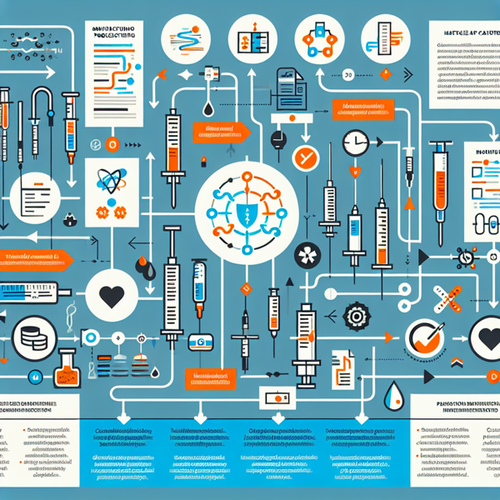
In today's rapidly advancing health care environment, the safe, efficient, and effective use of syringes, needles, and catheters is paramount. As pharmaceutical and medical device technologies continue to evolve, so too does the need for robust, internationally recognized standards. This guide explores three pivotal ISO standards—ISO 11040-7:2024, ISO 11608-1:2022, and ISO 23217:2024—shaping the way businesses ensure quality, productivity, security, and scale in the manufacture and deployment of injection systems, packaging, and pediatric drug delivery devices.
Overview / Introduction
Syringes, needles, and catheters are foundational to modern health care, used in everything from vaccination drives to chronic disease management and critical care. Ensuring these devices are safe, reliable, and easy to use is not just a technical concern—it's a public health imperative. As new materials, automation, and user demographics reshape the landscape, keeping pace with standards becomes a strategic advantage.
This article aims to make complex health care device standards accessible to a broad audience, from medical product engineers to hospital administrators and the general public interested in patient safety. By understanding the requirements and rationale behind key international standards, professionals and businesses can:
- Ensure compliance with regulatory expectations
- Reduce risks associated with device failures
- Improve productivity through streamlined processes
- Enhance patient safety and trust
You'll learn:
- The scope and practical importance of each standard
- How compliance directly enhances productivity, security, and scalability
- Actionable implementation strategies
Detailed Standards Coverage
ISO 11040-7:2024 - Sterile Packaging Systems for Prefilled Syringes
Prefilled syringes — Part 7: Packaging systems for sterilized subassembled syringes ready for filling
ISO 11040-7:2024 is a critical standard establishing requirements for the packaging systems used to deliver sterilized, subassembled syringes ready for filling. As medical manufacturing moves away from bulk deliveries toward sterile, subassembled components, this standard ensures syringes remain uncontaminated and ready for automated, high-speed processing at pharmaceutical facilities.
What This Standard Covers:
- Packaging configuration for sterilized syringes—including tubs, nests, insert liners, sealing lids, and protective bags.
- Maintenance of sterility and integrity throughout storage, transport, and handling up to the point of use.
- Requirements for microbial and particulate barriers, material compatibility with sterilization, and packaging process validations (including references to ISO 11607-1 and -2).
- Specific design tolerances to support full automation and modern cleanroom compatibility.
Who Needs to Comply:
- Syringe manufacturers and medical device producers
- Pharmaceutical companies engaged in large-scale drug filling operations
- Automated packaging equipment suppliers
- Health care institutions implementing in-house filling capabilities
Practical Implementation:
Manufacturers must ensure that packaging systems—tubs, nests, and liners—are dimensioned precisely and made from materials compatible with commonly used sterilization agents (e.g., ethylene oxide). The packaging must maintain sterility through sealing and external protection while supporting automated handling for large-scale production.
Enhanced requirements for dimensions and tolerances, as outlined in the revised annexes, mean industry stakeholders must work closely to match packaging with their aseptic processing equipment and throughput needs.
Key Highlights:
- Formalization of design features to support automation and high-speed processing
- Enhanced material and dimensional standards for packaging integrity
- Emphasis on maintaining sterile barriers from production through to aseptic filling
Access the full standard:View ISO 11040-7:2024 on iTeh Standards
ISO 11608-1:2022 - Requirements for Needle-Based Injection Systems
Needle-based injection systems for medical use — Requirements and test methods — Part 1: Needle-based injection systems
ISO 11608-1:2022 sets out comprehensive requirements and test methods for Needle-Based Injection Systems (NISs). These systems, essential in the delivery of precise drug doses—such as insulin or biologic medications—must meet rigorous standards for accuracy, safety, and usability, particularly as devices become more sophisticated (including prefilled, replaceable, or non-replaceable container options).
What This Standard Covers:
- Performance and safety requirements for single-patient-use NIS intended for discrete (bolus) medicinal dose delivery.
- Test methods for dosing accuracy, device integrity, marking legibility, transport resistance, and fluid leakage.
- Risk management and usability engineering processes, requiring manufacturers to apply the latest human factors and design verification methodologies.
- Exclusions: Does not cover continuous delivery systems (e.g., infusion pumps), dental injectors, refillable containers, or intravenous/intrathecal devices.
Who Needs to Comply:
- Developers and manufacturers of pen injectors, auto-injectors, and related needle-based delivery devices
- Pharmaceutical companies offering self-injection medications
- Regulatory bodies overseeing device approvals
- Engineers and designers seeking to ensure device compliance
Practical Implementation:
Implementing ISO 11608-1 means integrating robust risk management (per ISO 14971) and usability engineering (per IEC 62366-1), conducting comprehensive performance testing under simulated and stressed conditions, and providing clear, accessible user instructions. Manufacturers must document justifications for any deviations or product-specific adaptations and ensure that every product variant is validated separately for each therapeutic application.
Key Highlights:
- Focus on primary functions, with detailed requirements for dose accuracy and device safety
- Risk-based, patient-centered requirements paired with comprehensive usability engineering
- Encourages innovation while providing a framework to verify and validate emerging device designs
Access the full standard:View ISO 11608-1:2022 on iTeh Standards
ISO 23217:2024 - Pediatric-Friendly Drug Delivery Device Design
Injection systems for self-administration by paediatric patients — Requirements and guidelines for design
ISO 23217:2024 provides essential requirements and guidance for the design and development of injectable drug delivery systems intended for self-administration by pediatric patients. With chronic conditions and biologic therapies on the rise among children and adolescents, the design of easy-to-use, safe, and reliable delivery devices is critical.
What This Standard Covers:
- Requirements and guidance for every use step—from transportation and storage through operation, maintenance, and disposal—tailored to the pediatric population.
- Emphasizes usability engineering and risk management, focusing on real-world scenarios where children may handle, prepare, and administer their medication.
- Inclusion of pediatric-specific user profile considerations: cognitive, sensory, emotional, and developmental needs; special risks (e.g., unintentional misuse).
- Design recommendations for interfaces, instructions, training, and support suitable for children and their caregivers.
- Applicability to injectable drug delivery systems used by the pediatric demographic (catheters and infusion pumps are outside scope, but general principles may be useful elsewhere).
Who Needs to Comply:
- Device manufacturers creating drug delivery systems for pediatric use
- Pharmaceutical companies developing pediatric therapies
- Health professionals and caregivers supporting pediatric self-administration
- Human factors and usability engineers focused on pediatric user testing
Practical Implementation:
Manufacturers are required to apply a risk-based approach (ISO 14971) alongside comprehensive usability engineering (IEC 62366-1), addressing each aspect of the device’s interaction with pediatric users. This involves tailored training programs, appropriately designed interfaces, simplified instructions, and rigorous validation involving real pediatric users where possible.
Key is considering the unique cognitive, sensory, and behavioral profiles of children—ensuring that packaging, information, and device operation requirements support safe, consistent use across varied environments, such as home, school, or while traveling.
Key Highlights:
- Ensures user interfaces and instructions are age-appropriate and intuitive for children
- Requires pediatric-centered risk assessments and usability validation
- Encourages device features supporting safe transport, storage, operation, and disposal by young users
Access the full standard:View ISO 23217:2024 on iTeh Standards
Industry Impact & Compliance
Enhancing Business Productivity, Security, and Scalability
Today's health care sector faces increased regulatory scrutiny, rapid technological change, and growing demand for patient-centered solutions. Implementing up-to-date international standards is now fundamental for businesses to remain competitive, secure, and scalable.
Benefits include:
- Productivity Gains: Standardized workflows and packaging allow for greater automation, reducing manual interventions and the risk of errors; modern packaging supports faster aseptic processing.
- Security and Safety: Rigorous performance and barrier requirements reduce contamination risks and protect both operators and patients.
- Scalability: Harmonized packaging designs and device requirements allow manufacturers to scale up production quickly, accommodate diverse product lines, and enter new global markets with streamlined compliance.
- Regulatory Compliance: Meeting these well-accepted ISO standards facilitates international market access and strengthens legal defensibility in the event of incidents.
Risks of Non-Compliance
- Product recalls and liability due to packaging failures or inaccurate dosing
- Loss of market access or delayed approvals
- Patient safety incidents or adverse events
- Competitive disadvantage in a market moving rapidly toward automation and patient empowerment
Implementation Guidance
Adopting these health care standards requires a structured, documented approach:
1. Assess & Plan
- Review current device designs, packaging, and processes against standard requirements
- Identify gaps and prioritize necessary updates
- Build cross-functional teams (engineering, QA, regulatory, user experience)
2. Design & Test
- Incorporate dimensional, material, and usability specifications early in development
- Conduct iterative risk assessments and usability engineering studies—especially for pediatric applications
- Validate packaging and device performance across operational and stressed scenarios
3. Document & Validate
- Maintain detailed records of testing, deviations, and justification for any customized approaches
- Prepare comprehensive instructions for use, training guidelines, and labeling compliant with both user and regulatory needs
4. Train & Iterate
- Establish training protocols for operators, health professionals, and, where relevant, end users like pediatric patients and caregivers
- Continually monitor real-world performance and user feedback for continuous improvement
Resources for Organizations
- Leverage ISO’s official resources, industry workshops, and expert networks
- Explore guidance and checklists available on iTeh Standards
- Engage with regulatory consultants and usability experts specializing in medical devices
Conclusion / Next Steps
As the health care sector grows increasingly complex and patient-focused, the role of international standards for syringes, needles, and catheters becomes ever more critical. The three ISO standards detailed here—ISO 11040-7:2024, ISO 11608-1:2022, and ISO 23217:2024—set the benchmark for sterile packaging, injection device safety, and pediatric-friendly design.
To remain at the forefront of innovation and compliance, health care organizations and manufacturers must:
- Regularly review and implement relevant standards
- Foster cross-disciplinary collaboration (engineering, regulatory, usability, and production)
- Embrace automation and human-centered design practices
Explore the full standards through iTeh Standards to ensure your products—and your business—are future-ready, safe, and globally competitive.
https://standards.iteh.ai/catalog/standards/iso/9fb474a4-f5c6-4d0b-a170-16229e37c797/iso-23217-2024